

Wheelchair Taxi vs Uber Lyft Accessible Rides — Which Is Better?
A ride app can look convenient until wheelchair access becomes uncertain. That is where the wheelchair taxi vs Uber Lyft accessible choice matters. Both options can work, but they solve different travel needs. The right choice depends on vehicle access, timing, chair type, and local availability. This guide compares those factors clearly, so riders and caregivers can choose with fewer surprises.
Quick Answer — Which Option Fits Your Trip?
Uber WAV or Lyft Wheelchair can work well when service exists nearby. App booking is useful for riders who value live tracking. It can also suit trips where arrival time has some flexibility.
A dedicated wheelchair taxi works differently. Riders can discuss mobility needs before the pickup is planned. That matters when a power chair, caregiver, luggage, or fixed appointment time affects the trip.
Rideshare may fit when:
- WAV service appears in your area
- Your travel time has some flexibility
- You prefer booking through an app
- Live driver tracking matters to you
- The ride is occasional
A dedicated wheelchair taxi may fit when:
- Your pickup time matters
- You use a larger power chair
- A caregiver travels with you
- You have regular medical visits
- Airport timing must be planned
- Mobility details need discussion first
Neither choice wins every time. A flexible lunch trip has different needs than dialysis transportation. The useful question is not which service sounds easier. It is which option can meet that specific trip.
For riders planning health-related travel, our non-emergency medical transportation in Naples page explains how planned medical rides work locally.
Uber WAV and Lyft Wheelchair Are Different From Standard Rides
The labels inside rideshare apps can cause some confusion. Uber WAV is not simply a larger Uber vehicle. Uber describes WAV as an accessible ride option for people using nonfolding or motorized wheelchairs. The vehicle uses a ramp or lift for entry.
How Uber WAV Works
Where offered, Uber WAV appears as a separate ride choice. A nearby WAV driver must also be available for matching. Uber says its WAV drivers complete accessibility training through third-party programs.
That makes one point especially important. Seeing Uber in your city does not mean WAV supply matches regular Uber supply. Accessible vehicles form a smaller part of the overall driver network.
A person using a folding chair may have another option. Uber states that folding mobility devices can often travel in standard ride types. The rider still needs a suitable vehicle and enough storage room.
How Lyft Wheelchair Works
Lyft currently calls its accessible vehicle option Wheelchair. Older information may refer to the same service as Lyft Access. The ride type is aimed at people using fixed or powered mobility devices.
Lyft publishes Wheelchair availability for selected American markets. Naples is not included on its current published market list. That does not mean coverage can never change. Riders should still check current app options before planning a trip.
Lyft also allows some riders with folding mobility devices to use regular ride types. That is different from requesting a true wheelchair vehicle. A folding chair and a seated power chair create very different transport needs.
If you want broader local ride information, visit medical transportation in Naples for planned transportation options.
Naples Availability Can Change the Decision
National rideshare brands do not offer identical vehicle choices everywhere. That matters in Naples because regular Uber or Lyft access does not confirm local WAV supply. Accessible service depends on what the platform currently supports and who is available nearby.
Uber tells riders to check the app for WAV access where offered. Lyft’s current published Wheelchair market list does not include Naples. These details make local availability more important than brand recognition alone.
A rider with a flexible afternoon errand can check the app first. Waiting longer may not create a serious problem. Someone heading to a specialist appointment faces a different situation. Missing the arrival window can affect the whole visit.
This difference becomes even clearer with repeated medical travel. Our doctor appointment transportation in Naples page covers trips where appointment time and mobility needs must be considered together.
Availability and Reliability Are Not the Same
These two ideas often get treated as one thing. They should not be.
Availability Means a Vehicle Exists
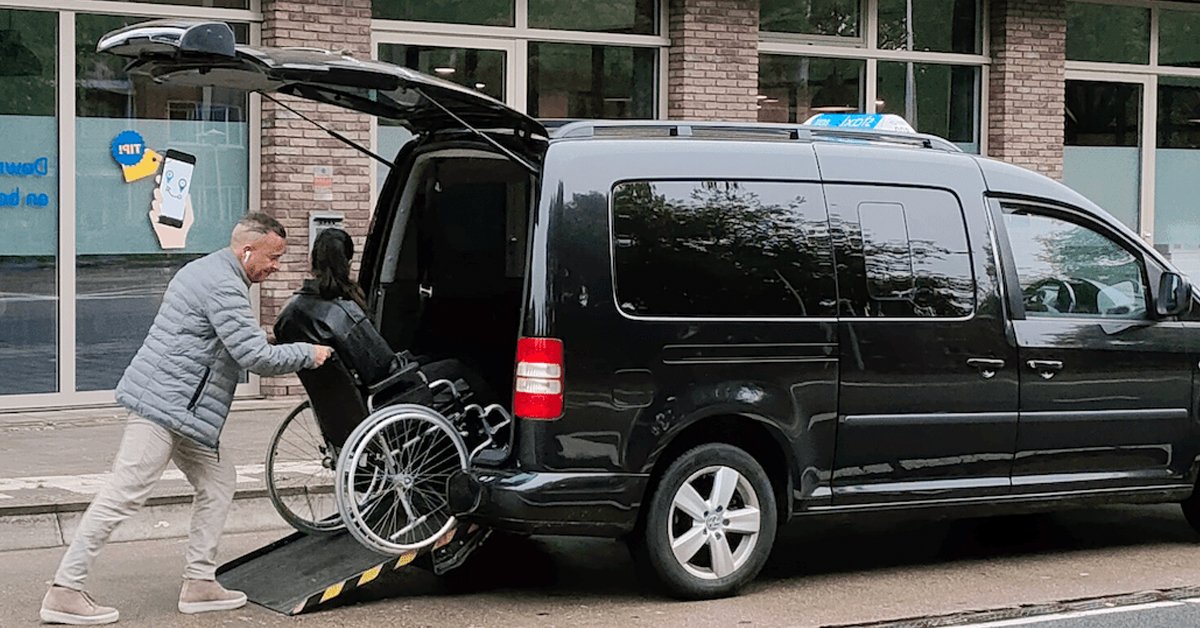
Availability asks whether a suitable wheelchair vehicle can take the request. With rideshare, that may depend on active drivers nearby. The app may show normal cars while no WAV appears.
That situation matters most for riders who cannot use standard vehicles. A person with a folding chair may have more choices. Someone remaining in a power wheelchair needs the accessible vehicle itself.
Reliability Means the Ride Fits Your Schedule
Reliability asks a different question. Can the ride meet the needed pickup and arrival time? A vehicle becoming available eventually may still be too late for a fixed appointment.
Consider two trips from the same home in Naples. One rider wants to visit a grocery store sometime that afternoon. Another must arrive for therapy at 10:30 AM. The same waiting uncertainty affects those riders very differently.
This is why planned medical travel often needs more thought. Our rehabilitation transportation in Naples page covers recurring therapy rides and changing mobility needs.
App Convenience vs Direct Trip Planning
Rideshare apps have useful features that many passengers already understand. Riders can request a car, watch its location, and handle payment digitally. Driver and vehicle details also appear before pickup in most app-based trips.
That convenience has real value. Someone taking an occasional ride may prefer handling everything on a phone. A caregiver can also request some rides for another person, depending on platform rules.
Direct wheelchair transportation takes another approach. Instead of waiting for live vehicle matching, the rider can discuss the trip beforehand. That conversation may cover chair size, pickup access, caregiver seating, return timing, and luggage.
Neither booking style is automatically better. The trip decides which one makes more sense.
For example, a short social outing may work well through an app. A recurring treatment schedule may benefit from planning. The same applies when family members handle transportation for an older relative.
The main difference is simple:
- Rideshare focuses on real-time app matching
- Direct transportation focuses on planned trip details
That distinction becomes more important as the ride gets more complex.
Folding Wheelchairs and Power Chairs Need Different Ride Choices
A person using a folding manual chair may not need WAV service every time. If the rider transfers comfortably, the folded chair may fit inside a standard rideshare vehicle. Available trunk space still matters, especially when bags are coming too.
Power wheelchairs create a different situation. Many are too large or heavy for normal vehicle storage. Riders who remain seated also need a truly accessible vehicle. That usually means a WAV rather than an ordinary rideshare car.
Mobility scooters need the same kind of review. Some fit suitable wheelchair vehicles while others require more room. Device width, total weight, and entry space can affect the result.
Even a WAV label does not mean every mobility device fits every vehicle. Riders with larger equipment should confirm their needs before a time-sensitive trip.
This matters even more during air travel. Our airport transportation in Naples page explains how wheelchair space, luggage, companions, and flight timing can affect an airport ride.
Driver Training and Wheelchair Support
It would be inaccurate to say rideshare WAV drivers receive no special training. Uber states that WAV drivers complete accessibility related training or certification. That includes handling wheelchair related boarding needs in supported markets.
The stronger comparison is how each service model handles the trip. A dedicated wheelchair provider may work with accessible vehicles every day. Drivers regularly deal with chair positioning, ramps, lifts, and securement during those trips.
Local providers can also discuss mobility needs before departure. That matters when the rider has an unusual chair or needs more boarding time. It can also help when a caregiver handles the booking.
Regular rideshare drivers may still assist riders using folding devices. However, that is different from operating a wheelchair vehicle. The equipment inside the vehicle changes the driver’s role considerably.
For planned hospital trips, our hospital transportation in Naples page covers rides where mobility details and changing discharge times may affect pickup planning.
Wait Time Is Not the Same as Boarding Time
Wait time starts before the vehicle reaches the rider. Boarding time begins after the driver arrives. These are separate parts of the trip, and wheelchair users may experience both differently.
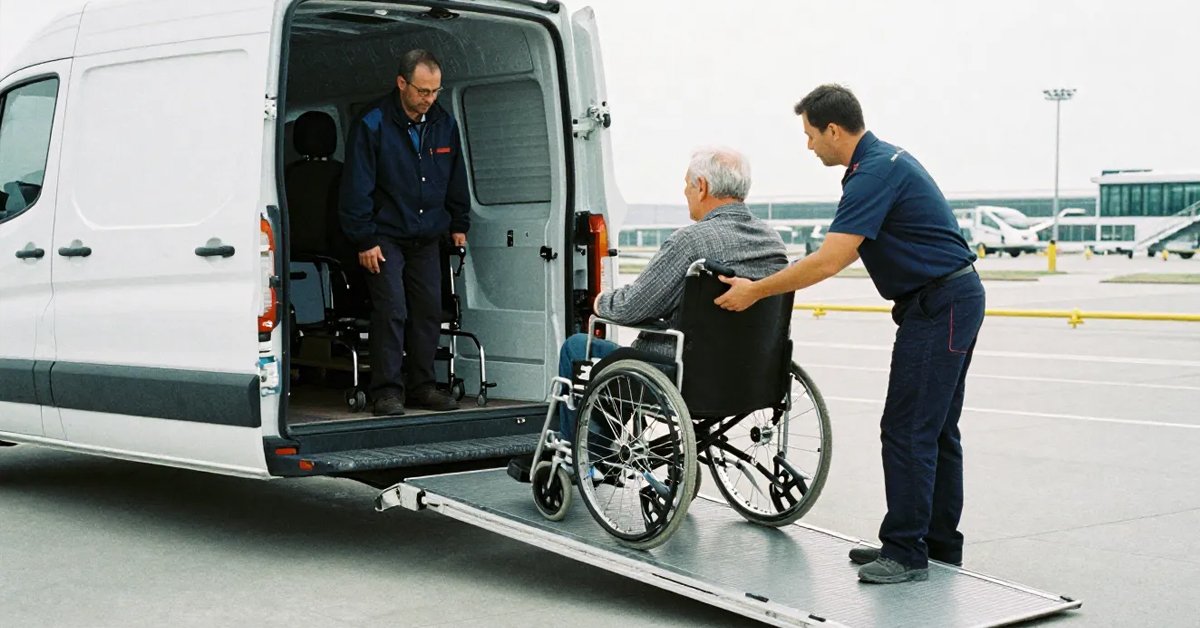
A rideshare WAV request depends on nearby vehicle supply. If fewer accessible vehicles are active, pickup may take longer. Once the vehicle arrives, boarding can also need extra time. The chair must enter, reach its travel position, and be secured before departure.
That extra boarding time is not wasted time. It is part of accessible travel. Riders heading to fixed appointments should include it when planning departure. This matters even more when traffic or building access adds another delay.
Uber also has policies for disability related wait time fees. Riders can review those rules inside the platform when needed. The main point remains simple: arrival time and boarding time should be planned separately.
Cost of Uber WAV vs Wheelchair Taxi
Price matters, but it should not be the first question. A lower fare has little value when the vehicle does not fit the rider. Chair type, timing, and local availability should come first.
Uber and Lyft generally calculate fares through their apps. Prices can change with distance, demand, pickup conditions, and local market rules. The final amount may therefore differ between two trips on the same route.
A dedicated wheelchair provider may price trips differently. Some use quoted fares, mileage rates, or scheduled route pricing. That structure can make the expected cost clearer before travel begins.
This does not mean a dedicated taxi always costs more. It also does not mean rideshare is always cheaper. The useful comparison is between the full trip requirements and the final fare.
For scheduled medical travel, riders can review non-emergency medical transportation in Naples before choosing a ride type. That page explains how planned transport works around appointment needs.
Airport Travel Shows Why Planning Matters
Airport travel brings several needs together at once. A wheelchair rider may have luggage, a caregiver, and a fixed flight time. That creates more planning than a simple local errand.
Imagine a passenger traveling to RSW with a power wheelchair. One caregiver is coming too, along with two suitcases. The rider now needs enough chair space, companion seating, and luggage room.
Timing matters as much as vehicle size. The pickup must allow enough time for boarding and airport check-in. A late vehicle can affect far more than the ground ride.
An app-based WAV can work when a suitable vehicle is available. A planned ride can make more sense when the departure time is fixed. The better choice depends on how much uncertainty the traveler can accept.
Our airport transportation in Naples page covers RSW trips, luggage needs, flight timing, and companion travel in more detail.
Recurring Medical Trips Need a Different Approach
A one-time dinner ride and repeated therapy visits are different problems. Someone attending treatment twice each week needs more than occasional transport. Pickup times may repeat, while mobility needs can also change.
Recurring travel works better when each trip starts with clear details. The provider may already know the chair type and usual pickup point. Return timing can also be discussed before each appointment.
Rideshare can still work for some recurring trips. The main concern is whether a suitable WAV will be available each time. That may matter less when the schedule has flexibility.
For fixed treatment times, planned transport can reduce repeated uncertainty. Riders attending therapy can review rehabilitation transportation in Naples for local ride planning.
Uber WAV, Lyft Wheelchair and Dedicated Taxi Compared
The table below brings the main differences together. It does not make one option better in every case. Instead, it shows where each service model may fit.
| Feature | Uber WAV | Lyft Wheelchair | Dedicated Wheelchair Taxi |
| Booking style | App request | App request | Direct or scheduled booking |
| Local availability | Depends on market and active drivers | Limited to selected markets | Depends on local provider |
| Live tracking | Yes | Yes | Provider dependent |
| Power wheelchair use | Designed for WAV riders | Designed for WAV riders | Depends on vehicle fit |
| Folding chair use | Standard rides may work | Standard rides may work | Can be discussed directly |
| Driver support | WAV-specific requirements apply | Program rules vary | Provider specific |
| Planning | Depends on market and ride type | Depends on market | Common |
| Pricing | App calculated | App calculated | Often quoted before travel |
| Caregiver seating | Depends on vehicle space | Depends on vehicle space | Can be discussed before booking |
| Recurring trips | Possible when WAV supply exists | Depends on local coverage | Often easier to plan |
| Best fit | Flexible trips with local WAV access | Markets with Wheelchair service | Planned or time-sensitive rides |
The table is only a starting point. Wheelchair size and passenger needs still matter. A service label cannot confirm that every vehicle will fit every chair.
Which Option Is Better for Different Trips?
There is no single winner for every wheelchair user. The better choice depends on the trip itself. Flexible travel usually gives riders more options than time-sensitive travel.
Uber WAV or Lyft Wheelchair May Fit Better When
- Accessible service is active in your area
- Your schedule has some flexibility
- You prefer booking through an app
- Live tracking is important
- The trip is occasional
- Your mobility device fits the available WAV
These services can be convenient when local supply is good. They may work especially well for social trips, shopping, or flexible appointments.
A Dedicated Wheelchair Taxi May Fit Better When
- Pickup timing is important
- You need repeated transportation
- You use a larger power chair
- A caregiver is traveling with you
- Luggage needs planning
- Your trip includes a fixed appointment
- Local rideshare WAV access is limited
The main advantage is planning before pickup. Riders can discuss details that may affect vehicle choice. That is useful when the trip has several moving parts.
For broader local transport information, visit Turbo Medical Transportation. The site covers wheelchair rides, medical transportation, and scheduled travel across Naples and nearby areas.
Questions to Check Before Depending on a Rideshare WAV
A quick check can prevent problems on travel day. This matters most when the rider has a fixed schedule or larger mobility device.
Before relying on a rideshare WAV, ask:
- Does the WAV option appear in the app?
- Is your pickup time flexible?
- Will your wheelchair fit the vehicle?
- Is a caregiver traveling too?
- Do you have luggage?
- Is the return ride already planned?
- Does the trip have a fixed arrival time?
- Do you have another option if WAV supply changes?
These questions help separate convenience from suitability. An app may be easy to use, but the trip still needs the right vehicle.
Book a Wheelchair Taxi in Naples
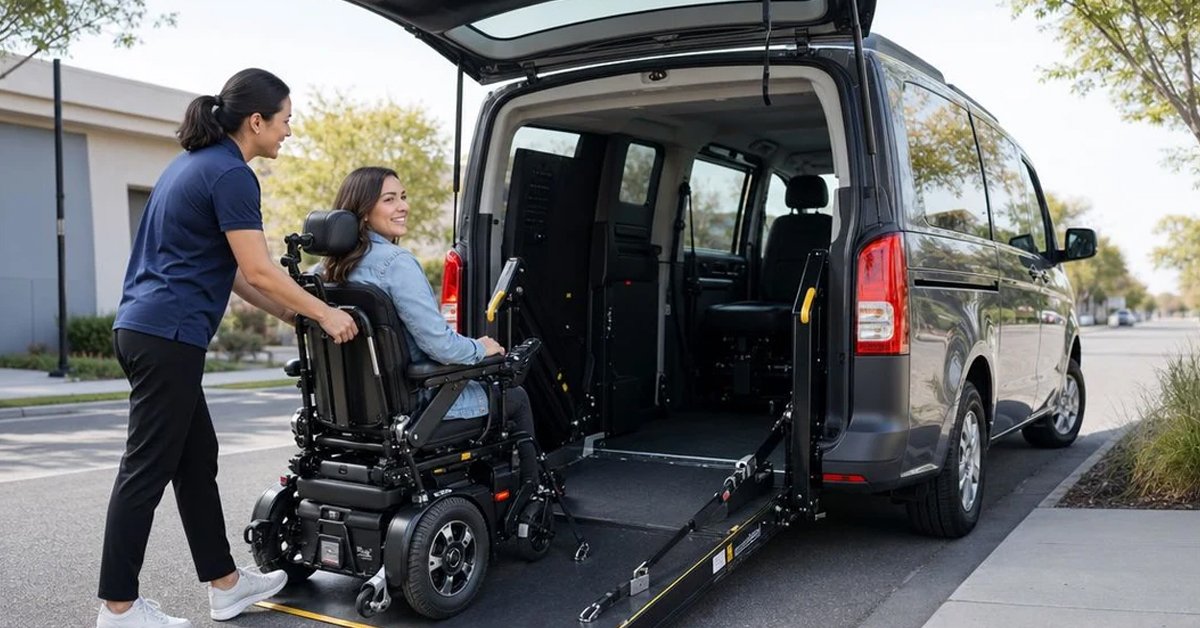
A flexible rideshare trip may work when WAV service is available nearby. Planned transportation can make more sense when timing, luggage, or chair details need attention before pickup.
Turbo Medical Transportation serves Naples and nearby areas, including Bonita Springs and Marco Island. Golden Gate riders can also request suitable wheelchair transportation for planned trips.
For time-sensitive medical travel, review our doctor appointment transportation in Naples page. You can also use the main transportation page to discuss your pickup, mobility needs, and planned destination.
FAQs
Is Uber WAV available in Naples?
Uber WAV availability can depend on current market coverage and active drivers. Riders should check the app before relying on the option. A normal Uber presence in Naples does not confirm that a WAV will be available.
Does Lyft offer wheelchair rides in Naples?
Lyft’s current published Wheelchair market list does not include Naples. Coverage can change over time, so riders should check the app before travel. Standard Lyft rides may still work for some folding mobility devices.
Why can wheelchair rides take longer to arrive?
Accessible vehicles may form a smaller part of the available fleet. That can increase matching time when fewer WAV drivers are nearby. Boarding also takes longer because the chair must be positioned and secured.
Is Uber WAV cheaper than a wheelchair taxi?
There is no universal answer. Rideshare fares can vary with demand and trip conditions. A dedicated provider may use a quoted or scheduled rate instead. Compare the full trip cost before booking.
Which option works better for a power wheelchair?
A true WAV is usually needed when the rider stays seated. Both rideshare WAVs and dedicated wheelchair vehicles may work. The chair still needs to fit the available vehicle properly.