
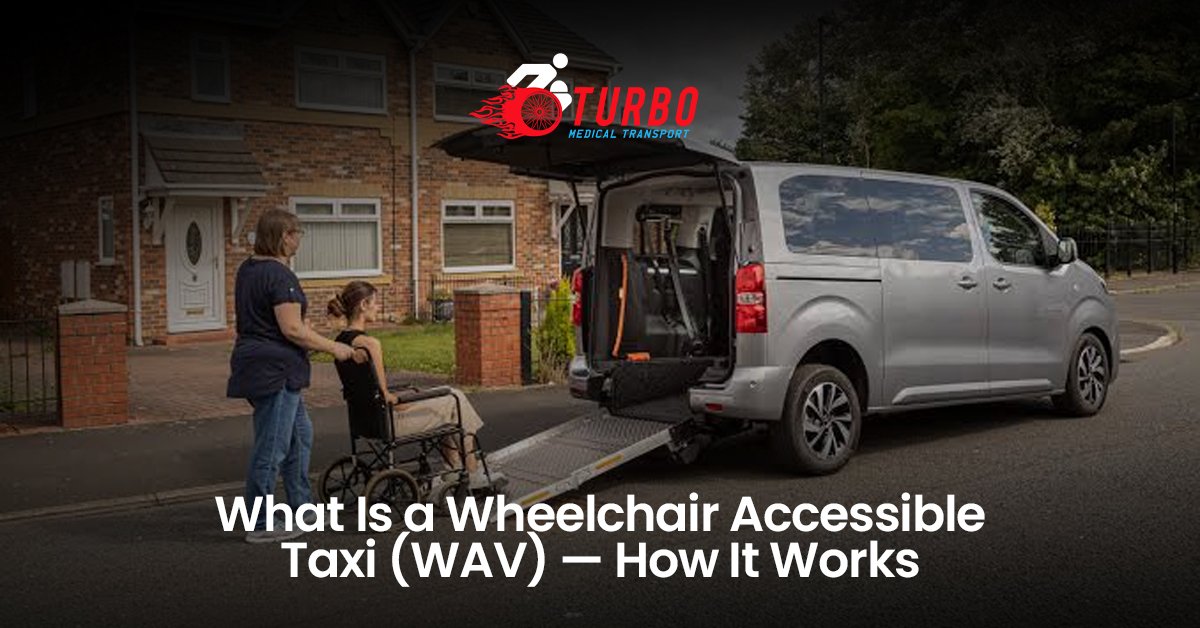
What Is a Wheelchair Accessible Taxi (WAV) — How It Works
Finding the right ride can feel harder with a wheelchair. Many regular vehicles do not have enough space or access. So what is a wheelchair-accessible taxi, and how does it work? A wheelchair accessible vehicle (WAV) uses special access equipment for easier travel. Riders can often stay seated in their mobility device. This guide explains the ride process, key features, and securement steps. It also shows what passengers can expect before booking.
What Is a Wheelchair Accessible Taxi (WAV)?
A wheelchair accessible taxi serves riders who use mobility devices. It gives passengers more room than most regular passenger vehicles. The vehicle also includes equipment made for wheelchair entry and travel. This setup can reduce the need for difficult seat transfers.
The term WAV means wheelchair accessible vehicle. You may also hear accessible taxi or wheelchair van taxi. Some systems use the term WAT for Wheelchair Accessible Taxicab. Each name describes transport made for wheelchair access.
A true WAV does more than carry a folded chair. A regular taxi may store a wheelchair in its trunk. The passenger often moves into a normal seat before travel. A WAV can support riders who remain in their wheelchair.
The wheelchair enters through a ramp or mechanical lift. Once inside, the chair moves into a set travel space. Securement equipment then keeps the chair stable during the trip. This basic setup helps explain the wheelchair taxi meaning.
Many riders also ask what a WAV vehicle is exactly. It is not simply a larger car or van. The vehicle has access features for mobility devices and passengers. These changes make seated wheelchair travel possible in many cases.
A wheelchair accessible transportation service can support many daily trips. Riders may travel for appointments, work, family visits, or errands. Some also use accessible vehicles for airport travel with mobility gear. Learn more about local options through our medical transportation in Naples service information.
How a Wheelchair Accessible Taxi Works — Step by Step
First-time riders often have questions about the full process. Boarding may seem unfamiliar before someone has used a WAV. The steps become easier to understand when explained in order. Here is how a wheelchair taxi works from booking through drop-off.
1. Booking the Ride
The process starts when the rider shares basic trip details. Most bookings need a pickup place and destination. The company may also ask for the travel time. Clear details help staff understand the requested trip before assigning transport.
Wheelchair information matters just as much as route details. Tell the company whether you use a manual chair. Power wheelchairs and scooters should also be mentioned before pickup. Larger mobility devices may need more space inside the vehicle.
Passengers should also give an accurate rider count. A caregiver or family member may need another seat. Airport passengers should mention luggage and extra mobility gear too. These facts can affect the space needed for travel.
Some trips need more planning than others. Airport rides may involve luggage and fixed flight times. Riders can review local airport transportation in Naples when planning travel with a wheelchair and bags.
2. Vehicle Assignment and Driver Arrival
After booking, the company reviews the trip information provided. A suitable vehicle can then be chosen for the request. The driver travels to the agreed pickup point. Riders should share useful access notes before the travel day.
The pickup area should allow enough room for boarding. Ramps and lifts need clear space near the vehicle. Tight parking areas can make wheelchair entry more difficult. A clear pickup plan can make arrival less confusing.
3. Boarding With a Ramp or Lift
Most WAVs use a ramp or mechanical lift for entry. Both systems help move the wheelchair into the passenger area. However, they work in different ways during the boarding process.
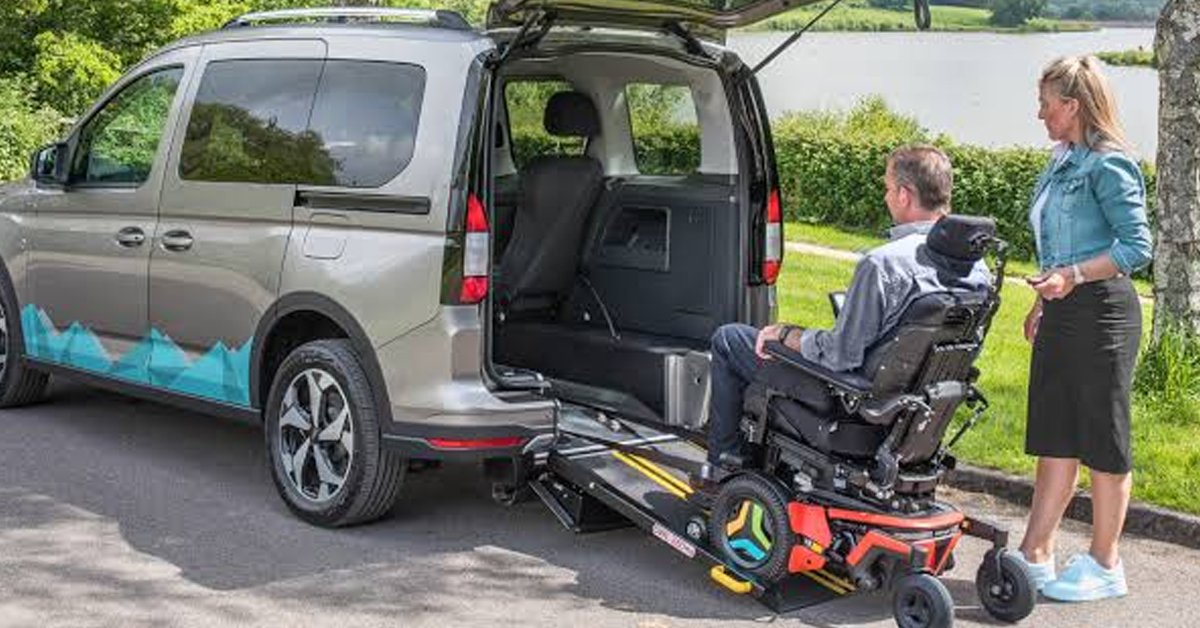
A ramp creates an angled path into the vehicle. The wheelchair moves along that surface toward the travel space. A mechanical lift raises the rider from ground level. It then brings the wheelchair level with the vehicle floor.
The driver prepares the access equipment before boarding begins. The rider can then enter at a steady pace. Many passengers remain seated in their wheelchair during this step. That can reduce the need for another transfer.
4. Positioning and Securing the Wheelchair
After entry, the wheelchair moves into its assigned travel position. The driver then attaches the chair to fixed anchor points. Securement straps help keep the mobility device stable during movement.
This step answers a common question from new riders. How do wheelchair taxis secure a wheelchair during travel? The vehicle may use straps and floor anchors. These parts connect the chair to secure points inside.
Wheelchair securement and passenger restraint serve different purposes. One system holds the wheelchair in its travel position. The other supports the passenger seated in that chair. Both are checked before the vehicle starts moving.
Good securement takes a little extra time before departure. Riders should not feel rushed during this part. The driver may need to adjust the chair position first. Clear communication also helps when the rider has specific needs.
5. The Ride Itself
After securement, the trip begins like other planned transport. The rider remains in the assigned wheelchair space. Companions may use standard seats when enough room is available. Interior space can differ between vehicle models.
A power chair may need more space than a manual chair. Some scooters may also need extra room during travel. Sharing device details early helps the company review the fit. This matters most for larger mobility devices.
Wheelchair users often need transport for planned care visits. Our doctor appointment transportation in Naples page covers rides for routine exams and scheduled medical visits.
6. Drop Off and Unloading
At the destination, the driver stops in a suitable area. The vehicle needs enough room for the access equipment. The wheelchair securement system is released after the vehicle stops.
The driver then prepares the ramp or lift again. The rider leaves the vehicle with the mobility device. This process follows the boarding steps in reverse order. The trip ends after the passenger exits safely.
Some riders need WAV transport for hospital care or discharge trips. Our hospital transportation in Naples page explains those planned ride needs in more detail.
Key Features of a Wheelchair Accessible Vehicle
A WAV includes several features that regular taxis may lack. These features support entry, securement, and passenger space. They also help explain why an accessible taxi service differs from standard transport.
Ramps and Lifts
Ramps provide a steady path from ground to vehicle floor. Some fold from the rear while others use side access. A lift works differently by raising the wheelchair mechanically. Both systems help riders enter without a standard seat transfer.
The right setup can depend on the vehicle design. It can also depend on the rider’s mobility device. A large power chair may need different access space. Riders should mention unusual chair dimensions before booking.
Wheelchair Securement Systems
Inside the vehicle, securement equipment holds the wheelchair in place. The system may use straps and fixed floor anchors. These parts help limit chair movement during normal travel.
Passenger restraints perform another important role during the ride. They support the person rather than the mobility device. Riders should understand that these systems have separate jobs. Both are part of the travel setup.
Space for Wheelchairs and Scooters
A wheelchair van taxi may support several mobility device types. These can include manual wheelchairs and powered chairs. Some vehicles may also carry certain mobility scooters.
However, every WAV has different space and equipment limits. Chair width and length can affect vehicle fit. Interior height may also matter for some riders. Lift capacity can matter when a powered device is heavier.
Large scooters usually need more room inside the vehicle. Riders should provide device details before confirming the trip. This can prevent problems when the driver reaches the pickup point.
Trained Drivers
Driver knowledge matters during each stage of the ride. The driver should understand the vehicle’s access equipment. They should also know the correct wheelchair securement process.
Their role may include preparing the ramp or lift. They may assist with chair position and boarding when needed. They also check the securement setup before starting the trip.
Passengers with planned recovery visits may need repeated accessible rides. Our rehabilitation transportation in Naples page covers travel for therapy and recovery appointments.
Who Can Use a Wheelchair-Accessible Taxi?
A wheelchair accessible taxi can serve many types of riders. Manual wheelchair users may use one for work or appointments. Power chair users can also ride when the vehicle fits. Some mobility scooters may fit as well, depending on available space.
Older adults may choose this service when car transfers become difficult. Someone recovering after surgery may also need temporary wheelchair transport. Family members can arrange rides when a relative needs help. A caregiver may travel alongside the passenger when seating allows.
These vehicles are not limited to health-related trips. People also use them for shopping, airports, family visits, and events. Others may need transport for work or personal errands. The main need is suitable access for the rider’s mobility device.
Passengers attending scheduled medical visits may also find useful details in our doctor appointment transportation guide. It covers planning, mobility details, return rides, and appointment timing.
Wheelchair Taxi vs Regular Taxi vs Rideshare — Quick Comparison
The difference between wheelchair taxi and regular taxi starts with vehicle access. A regular taxi may carry a folded wheelchair in storage. However, the passenger usually transfers into a standard seat. That option may not work for every wheelchair user.
A WAV is arranged around wheelchair entry and seated travel. Accessible rideshare choices can offer similar features in some markets. However, vehicle supply may change by location and time. Riders should confirm actual wheelchair access before depending on any option.
| Feature | Wheelchair Taxi | Regular Taxi | Accessible Rideshare |
| Ramp or lift | Usually included | Usually unavailable | Depends on vehicle |
| Remain in wheelchair | Often possible | Usually not | Possible with a WAV |
| Chair securement | Built into WAV setup | Usually unavailable | Depends on vehicle |
| Device details needed | Helpful before booking | Sometimes | Helpful for WAV trips |
| Booking | Often useful | Often optional | Depends on local supply |
Cost and wait times can differ between all three choices. Distance, vehicle type, and local demand may affect pricing. A wheelchair taxi may suit riders needing dependable wheelchair access. A standard taxi works better for passengers who can transfer.
Rideshare may be useful when an accessible vehicle is available nearby. Still, availability alone does not tell the full story. Riders should consider chair fit, securement, passenger space, and boarding needs before choosing.
What to Expect on Your First WAV Ride
Your first WAV ride should begin with clear trip information. Tell the company your pickup point and planned destination. Share your wheelchair type before the travel date as well. This gives the booking team useful information about your needs.
Mention whether you use a manual chair or power chair. Large scooters should also be discussed before the ride. If known, share the device size and approximate weight. Those details can help confirm whether the vehicle offers suitable space.
The passenger count matters when relatives or caregivers travel too. Airport riders should mention luggage before confirming their ride. Extra bags can reduce available space inside some vehicles. Sharing that information early can prevent confusion during pickup.
Try to be ready near a practical boarding location. The driver needs room to open the access area. A ramp or lift may require clear ground nearby. Tight parking can make wheelchair boarding harder than expected.
Boarding can take longer than entering a normal passenger car. The wheelchair must be positioned and secured before departure. That extra time is part of the travel process. Riders should ask questions whenever something about the setup feels unclear.
Passengers needing another level of transport should choose the right service. For example, someone unable to remain seated may need stretcher travel. Our stretcher transportation in Naples page explains how that service differs.

Book a Wheelchair-Accessible Taxi in Naples, FL
A WAV can make local travel more practical for wheelchair users. The right setup allows boarding without a standard car transfer. It also provides a set area for wheelchair travel. Clear trip details help the provider understand your mobility needs.
If you need a wheelchair taxi Naples FL service, share those details early. Include your pickup location, destination, wheelchair type, and passenger count. Riders in Naples can also review local service information through Turbo Medical Transportation before arranging a trip.
Service areas listed on the website include Golden Gate and Marco Island. Bonita Springs is also among the areas currently served. Riders outside central Naples should confirm their pickup location first. This is especially useful when planning longer local trips.
Golden Gate residents can also review wheelchair transportation in Golden Gate Estates for local service details. East Naples riders have a separate wheelchair transportation in East Naples page with area-specific information.
Before booking, explain anything that could affect vehicle fit. A simple conversation about chair size can prevent confusion later. The same applies to luggage, companions, or extra mobility equipment. Clear information makes the trip easier to plan from the start.
FAQs
Is a wheelchair-accessible taxi more expensive than a regular taxi?
Pricing can vary by provider, distance, vehicle, and trip details. Some WAV trips may cost differently from regular taxi service. Riders should ask for pricing before confirming their booking. This gives them a clearer idea of the expected trip cost.
Can I stay in my wheelchair during the ride?
Many WAVs allow passengers to remain seated in their wheelchair. The chair must fit the vehicle and securement area properly. The driver secures the mobility device before travel begins. A separate passenger restraint is then used for the rider.
Do I need to book in advance?
Booking is helpful when your trip has fixed timing. It may matter more for airports or medical appointments. Larger power chairs may also need a vehicle fit check. Booking earlier gives the company more trip details to review.
Are drivers trained to assist wheelchair passengers?
Drivers working with WAVs should understand their vehicle’s access equipment. This includes ramps, lifts, securement straps, and passenger restraints. The amount of personal help may vary by provider. Ask about available assistance when arranging the ride.
What size wheelchairs or scooters can a WAV accommodate?
There is no single size limit for every WAV. Vehicle space and equipment capacity differ between models. Large chairs or scooters may need more entry clearance. Share the device size and weight when those details are available.