

Wheelchair Taxi vs Regular Taxi: Key Differences
Choosing between a wheelchair taxi and a regular taxi depends on mobility needs. The main difference is not simply the vehicle size. In a wheelchair taxi vs regular taxi comparison, the rider’s ability to transfer matters most. Wheelchair type also affects which ride can work well.
A standard taxi may suit someone using a folding chair. A wheelchair taxi serves riders who may stay seated during travel. This guide compares both options through real travel situations. It covers boarding, vehicle design, chair storage, driver help, and securement.
Wheelchair Taxi vs Regular Taxi
A regular taxi can work when a passenger transfers into its seat. The wheelchair must also fit within the available storage area. Folding manual chairs are usually easier to store this way. Luggage can still affect how much trunk room remains.
A wheelchair taxi works differently because the chair enters the vehicle. Many passengers remain seated throughout the ride. The vehicle has an access system and a wheelchair travel area. This option often suits riders who cannot manage a seat transfer.
Neither choice is right for every wheelchair user. Someone using a small folding chair may prefer a regular taxi. A person using a large power chair has different needs. The right ride depends on the person and mobility device.
This is the core difference between wheelchair taxi and regular taxi service. One often requires a seat transfer and chair storage. The other supports wheelchair entry and seated travel. Our guide on [wheelchair accessible vehicle rides] can explain the WAV process in greater detail.
Vehicle Design and Accessibility Features
Vehicle design changes how each taxi handles a wheelchair passenger. A regular taxi usually has standard passenger doors and fixed seats. Its trunk may hold a folding wheelchair when enough room exists. The vehicle normally lacks a dedicated wheelchair travel position.
That setup can work well for some manual wheelchair users. The passenger first moves into the standard vehicle seat. Their folded chair then travels inside the trunk or cargo area. This approach depends on both transfer ability and available storage space.
A wheelchair taxi uses a different interior layout. Many are vans or minivans with more usable floor room. They include an access point for a wheelchair to enter. The chair then stays within the passenger area during travel.
A ramp or lift is only one part of accessibility. The vehicle also needs suitable entry room and interior clearance. A wheelchair position must provide space for the mobility device. Securement points are also needed during seated wheelchair travel.
This distinction matters when comparing a wheelchair accessible taxi vs. a normal taxi. A large van does not become accessible through size alone. The vehicle needs equipment that supports entry and seated transport. Interior design matters just as much as the door opening.
Consider two riders heading to the same medical office. Maria uses a folding manual chair and transfers without difficulty. Her chair fits inside a sedan trunk with little trouble. A regular taxi may meet her travel needs without extra equipment.
David uses a power chair and remains seated during travel. His chair cannot simply fold into a taxi trunk. He needs access to the passenger area instead. A suitable wheelchair taxi would match his needs more closely.
Readers unfamiliar with WAV vehicles can review our guide on wheelchair accessible taxi rides. It explains how ramps, lifts, and chair securement work together.
Boarding Is One of the Biggest Differences
Boarding shows the practical difference between these two ride types. A regular taxi passenger enters through the standard vehicle door. A wheelchair user may first transfer from their chair. The wheelchair is then folded when its design allows that.
That method can be simple for someone who transfers comfortably. It may feel very different for a rider with limited movement. Some people need another person nearby during the transfer. Others cannot use a standard car seat at all.
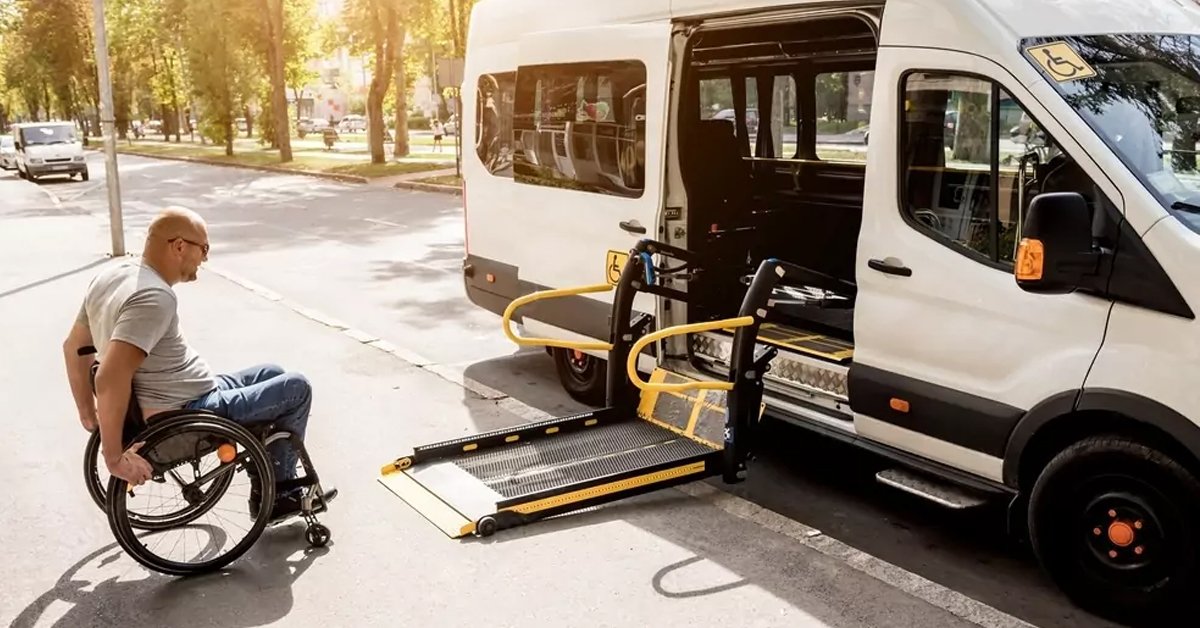
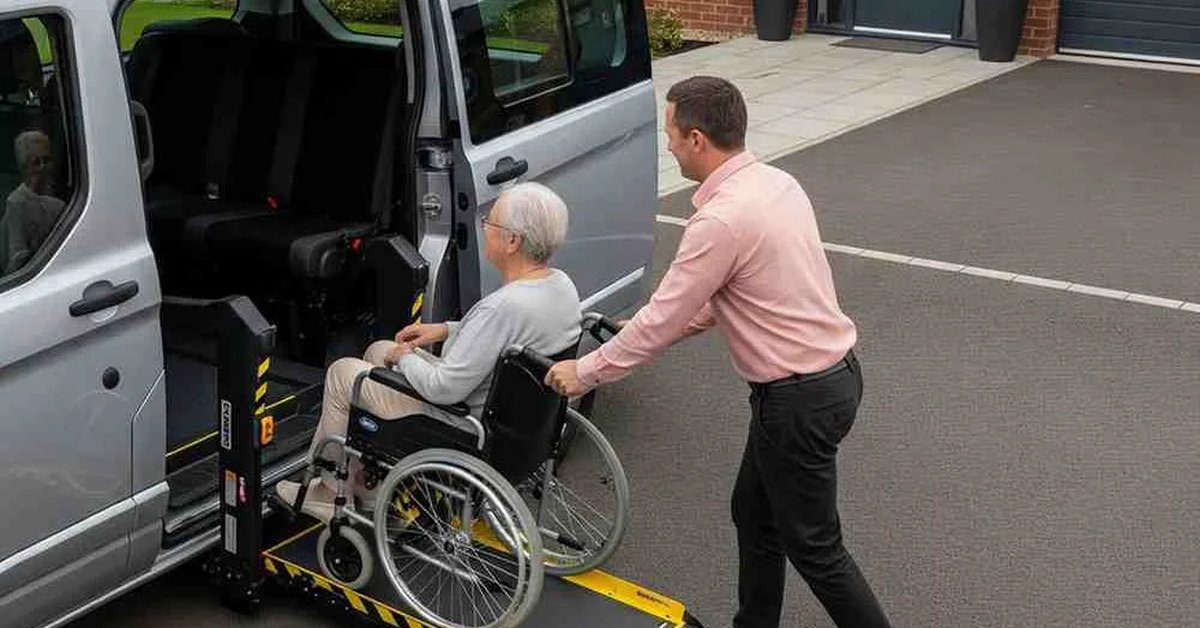
A wheelchair taxi removes the need for that transfer in many cases. The rider approaches the vehicle while staying in their chair. A ramp or lift provides access into the passenger area. The chair then moves into its assigned travel position.
This difference should not become a judgment about either option. Some wheelchair users transfer into standard seats every day. Others find that process difficult or impractical. Mobility needs should guide the choice rather than assumptions about disability.
Boarding also takes a little more time inside a WAV. The chair needs correct positioning before the trip begins. Securement follows after the wheelchair reaches its travel area. The driver should finish these steps before leaving the pickup point.
A rider who needs a fixed appointment arrival should plan accordingly. Extra boarding time can matter for medical visits or flights. For airport trips, luggage adds another space consideration. Our [Naples airport transportation guide] covers mobility gear and baggage planning.
Folding Wheelchairs vs Power Wheelchairs and Scooters
Wheelchair type can quickly change which taxi makes practical sense. Folding manual chairs are usually easier to place in storage. Many collapse into a smaller shape after the rider transfers. Still, available trunk room depends on the actual taxi.
A regular taxi may work well in that situation. The folded chair needs enough room beside any other items. Large suitcases can reduce available storage during airport travel. A walker or extra mobility gear may take more room.
Power wheelchairs create a different set of travel needs. They are usually larger than folding manual models. Many cannot be collapsed for ordinary trunk storage. Their weight can also make manual lifting unrealistic for a driver.
That does not mean every WAV fits every power chair. Entry width and interior height can vary between vehicles. The chair’s total dimensions also affect available space. Riders should share those details before making a booking.
Mobility scooters need the same kind of fit check. Some scooters work well inside suitable wheelchair vehicles. Others may be too large for a particular layout. Vehicle capacity and securement options should be discussed before the ride.
Here is a practical example from an airport trip. One traveler uses a light folding chair and one suitcase. A sedan may have enough trunk space for both. Another traveler uses a large power chair and two bags.
The second trip needs much more planning before pickup. Passenger space and luggage room both need attention. This is why chair type matters more than labels alone. A wheelchair van may suit one rider and not another.
Wheelchair Securement Is Different From Passenger Restraint
A wheelchair taxi has two separate jobs once boarding finishes. The wheelchair must remain stable inside its assigned position. The person sitting in that chair also needs passenger restraint. These systems serve different purposes during the same trip.
Tie-downs connect the wheelchair to fixed anchor points. They help limit chair movement while the vehicle travels. The rider uses the vehicle’s passenger restraint system separately. One system supports the chair while another supports the passenger.
This detail is often lost in a simple taxi comparison. A regular taxi uses standard seats with passenger seat belts. It does not normally contain wheelchair securement equipment. That difference matters when someone remains seated in a mobility device.
The rider should not need to understand every technical component. Still, knowing the difference can make booking questions clearer. Someone traveling for the first time can ask about chair securement. That question is useful before confirming an unfamiliar vehicle.
Driver Help Can Differ Between Both Services
Driver responsibilities depend partly on the vehicle being operated. A regular taxi driver mainly handles normal passenger entry and travel. They may help place a folding wheelchair into storage. The exact level of assistance can vary by service.
A WAV driver handles equipment that standard taxis usually lack. They need familiarity with the vehicle’s ramp or lift. They also work with wheelchair positioning and securement equipment. These tasks become part of the boarding and unloading process.
That does not mean regular taxi drivers lack passenger care. The main difference comes from the equipment being used. A driver cannot operate wheelchair securement equipment that the vehicle does not have. Vehicle design shapes the assistance needed.
A first-time rider should mention any expected boarding help early. This gives both sides a clearer understanding before pickup. Family members can also share those details when booking. That can be helpful when arranging rides for older relatives.
For medical visits requiring repeated travel, the rider’s needs may change. Someone in physical therapy could move differently after several weeks. Our [rehabilitation transportation in Naples] page covers ride planning during scheduled recovery care.
Age Can Change the Choice
A folding wheelchair may fit inside a standard taxi trunk. The real question is whether other items must fit too. Airport passengers often carry suitcases, medical bags, or mobility gear. Those items can quickly reduce the space left for a folded chair.
This issue is easy to overlook during booking. A sedan may fit the chair on one trip. The same vehicle may feel cramped with several large bags. Riders should mention luggage when storage space could affect the ride.
A WAV uses interior space differently because the wheelchair stays inside. Luggage still needs its own suitable area. Passenger count can also affect available room. Families should mention companions and bags before confirming the trip.
Wheelchair Taxi Cost vs Regular Taxi
Many riders ask whether a wheelchair taxi costs more. There is no single answer for every provider. Fares can depend on distance, vehicle type, waiting time, and local pricing rules. Private transportation may also use different rates than a metered taxi.
The wheelchair itself should not be treated as an automatic surcharge. Instead, compare the full ride price and service type. A longer trip may cost more regardless of accessibility. Waiting time can also change the final amount.
For a detailed local breakdown, read our Wheelchair Taxi Cost in Naples, FL guide. That article can cover pricing without turning this comparison into a full fare discussion.
Wheelchair Taxi vs Regular Taxi — Side by Side
The table below brings the main differences together. It can help riders compare both options quickly.
| Feature | Regular Taxi | Wheelchair Taxi WAV |
| Common vehicle | Sedan or standard vehicle | Accessible van or minivan |
| Boarding method | Standard door | Ramp or lift |
| Seat transfer | Usually needed | Often not needed |
| Wheelchair storage | Folded chair may use trunk | Chair stays inside |
| Power chair use | Often difficult | More suitable when compatible |
| Securement system | Usually not fitted | Built for wheelchair travel |
| Booking details | Basic trip details | Mobility details often needed |
| Booking | Often less notice | Early booking can help |
| Luggage space | Depends on trunk room | Depends on vehicle layout |
| Cost | Varies by provider | Varies by provider |
| Best fit | Riders who transfer | Riders staying in their chair |
This comparison works best as a starting point. Individual vehicles still have different space limits. A rider should choose based on mobility needs rather than vehicle name alone.
Which Taxi Should You Choose?
A regular taxi may work well for someone who transfers comfortably. It can also make sense when the wheelchair folds easily. The chair must fit inside available storage. Luggage should also leave enough room for safe transport.
A wheelchair taxi may fit better when the rider stays seated. It can also suit many power chair users. Some scooter users may prefer this option as well. Vehicle fit should still be confirmed before the booking.
Think about the trip in practical terms. Can the passenger transfer without difficulty? Does the chair fold for storage? Is a ramp needed? Will a caregiver or several bags travel too?
Those questions usually give a clearer answer than price alone. Our Wheelchair Taxi Service in Naples, FL Complete Guide can help with broader local ride planning.
Can a Regular Taxi Take a Wheelchair?
Yes, a regular taxi can work for some wheelchair users. The passenger generally needs to use a standard vehicle seat. The wheelchair must also fit inside the trunk or another storage area.
This option is often practical for folding manual chairs. It may not work for a large power wheelchair. The rider’s transfer ability also matters. If seated wheelchair travel is needed, a compatible WAV is usually the better match.
Local rules and vehicle limits can also affect the answer. Riders should confirm access before depending on a regular taxi. That is especially useful for airport trips or fixed appointment times.
Wheelchair Taxi Does Not Mean Ambulance Transport
A wheelchair taxi provides passenger transportation with accessible vehicle features. It does not become emergency medical transport simply because a rider uses a wheelchair. People may use the service for work, shopping, airports, appointments, or family visits.
Someone needing medical monitoring or emergency care may require another service. The right choice depends on the passenger’s condition and trip needs. This distinction helps prevent confusion between accessible transportation and ambulance care.
Book the Right Ride in Naples, FL
Choosing the right taxi starts with the rider’s mobility needs. A regular taxi may work for a folding chair and easy transfer. A WAV can suit riders who remain seated or use larger mobility devices.
Wheelchair taxi service is available for trips around Naples and nearby areas. These may include Bonita Springs, Marco Island, and Golden Gate. Share the chair type, passenger count, and trip details before booking.
For local ride options, visit our wheelchair transportation service in Naples. A short conversation before pickup can help confirm the right vehicle for the trip.
FAQs
Can a regular taxi legally refuse a wheelchair passenger?
Rules can depend on local law, vehicle fit, and service type. A regular taxi may still serve someone using a wheelchair when the passenger can use the vehicle. Riders should check local requirements when access is uncertain.
Is it safe to fold and store my wheelchair in a trunk?
A folding wheelchair can travel in a trunk when it fits properly. The rider must also be able to transfer into a normal seat. Other luggage should not prevent proper storage of the chair.
Do wheelchair taxis cost more than regular taxis?
Not always. Pricing depends on the provider and trip details. Distance, waiting time, vehicle type, and fare structure may affect the final price.
Can power wheelchairs and scooters use a wheelchair taxi?
Many WAVs can carry power chairs and some scooters. Vehicle size and equipment limits still matter. Riders should share device details before booking.
How far in advance should I book a wheelchair taxi?
Booking is useful when travel time is important. It also helps when the chair is large or powered. Regular taxis may need less planning because more standard vehicles may be available.