
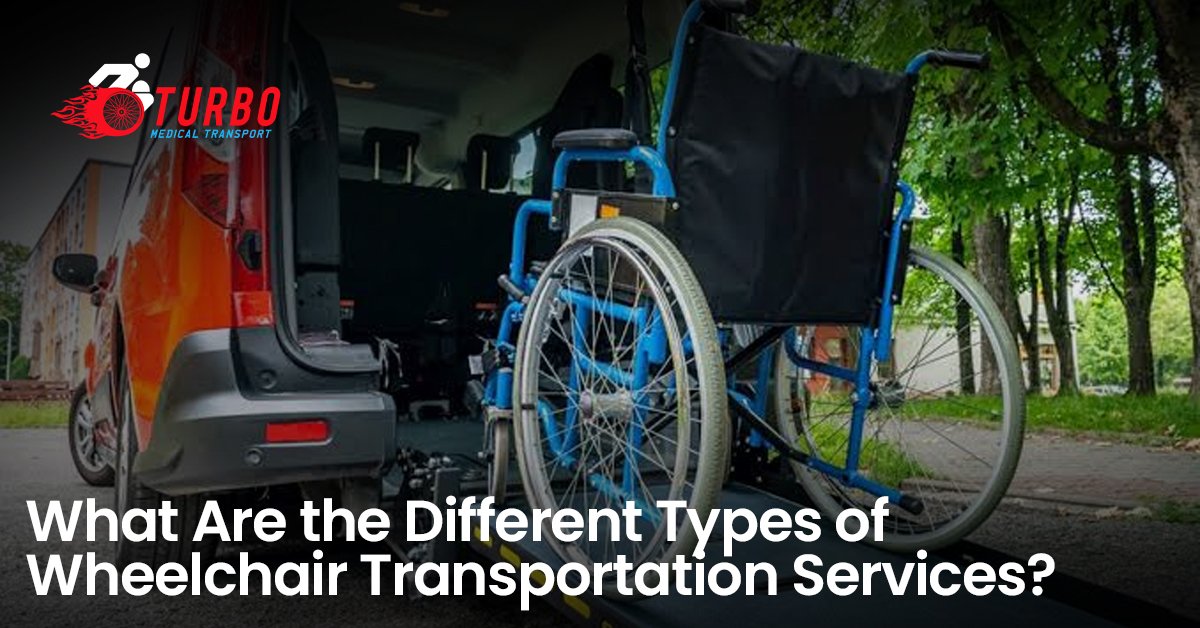
What Are the Different Types of Wheelchair Transportation Services?
Finding a safe ride can be difficult for wheelchair users. Regular cars may lack space, ramps, or secure seating. That is where wheelchair transportation can solve a real problem. It gives riders access to vehicles built for easier travel.
Still, not every service works the same way for riders. Some offer medical trips, while others handle daily travel needs. This guide explains the main options and how they differ. You will also learn what to check before booking. By the end, choosing the right ride should feel clearer.
Wheelchair Transportation: Types, Options, and What Passengers Should Expect
Wheelchair travel should fit the rider, not force uncomfortable compromises. Accessible services give riders vehicles and support built around mobility needs. The right option depends on trip purpose, chair type, distance, and assistance. Some riders need medical trips, while others need everyday community travel.
Available services may include private vans, medical transport, paratransit, or accessible taxis. Some providers also offer recurring rides for treatment, therapy, or appointments. The best choice starts with understanding how each service actually works.
Different Services Fit Different Trips
Wheelchair van services usually support riders who remain seated during travel. These vehicles may use ramps, lifts, securement systems, and added interior space. Private services can support medical appointments, errands, events, or family outings. Medical transport may suit riders traveling for treatment or hospital discharge.
Paratransit can serve eligible riders who cannot use standard public transit. Accessible taxis may work better for shorter trips and flexible schedules. Some riders may also need attendants during longer or more complex trips. Each service type solves a different travel problem for wheelchair users.
Seniors may prefer extra boarding help when walking or transfers feel difficult. Disabled passengers may need vehicle features matched to their specific mobility needs.
Assistance Levels Matter During Every Ride
Curb-to-curb service usually starts near the pickup point and destination. Door-to-door service adds more help between entrances and the transport vehicle. Door-through-door assistance may include added support inside the building entrance. Service details vary, so riders should confirm exact help before booking.
Passengers with larger wheelchairs may need wider doors and stronger equipment. Bariatric riders may require higher weight capacity and more interior space. Children may need age-appropriate seating, securement, and extra caregiver planning. These details should be shared before the provider confirms transportation.
How Booking Usually Works
Booking starts with clear trip details and accurate mobility information. The provider may request pickup addresses, destination details, and appointment times. Riders should also share wheelchair type, size, and transfer ability. Power chairs and scooters may need more space than manual wheelchairs.
Medical trips may also involve return rides after treatment finishes. Dialysis and physical therapy often require recurring transportation across several weeks. Hospital discharge rides may need flexible timing because release times change. Special events and outings may need different pickup and waiting plans.
Before confirming a ride, passengers should ask several practical questions:
- Ask whether the vehicle fits the rider’s wheelchair dimensions safely.
- Confirm whether the rider remains seated or transfers during the trip.
- Ask what boarding help the driver provides during scheduled pickup.
- Confirm whether attendants, caregivers, or family members can travel together.
- Review return trip rules before the passenger leaves home safely.
Cost, Coverage, and Payment Options
Service pricing can change by distance, vehicle, and assistance level. Waiting time, added staff, and special equipment may affect final costs. Private-pay services usually set their own rates and cancellation rules. Insurance coverage depends on the rider’s plan and medical need.
Medicaid transport rules can differ by state, plan, and eligibility. Some Medicare Advantage plans may include transport benefits for eligible members. Original Medicare follows different rules and should be checked carefully. Riders should verify benefits before assuming any medical ride is covered.
Safety and Securement Before the Vehicle Moves
Safe travel requires correct boarding, securement, and passenger restraint procedures. Wheelchairs should be positioned and secured before the vehicle starts moving. Drivers should understand ramps, lifts, tie-downs, and safe boarding steps. Passengers should report broken chair parts or new mobility changes beforehand.
Wheelchair transport differs from stretcher transport in rider positioning needs. Wheelchair riders generally travel seated, while stretcher riders remain lying down. Choosing correctly helps providers match equipment with the passenger’s condition.
How to Choose the Right Provider
A good provider should explain services, vehicles, assistance, and pricing clearly. Riders should also ask about driver training and vehicle inspection practices. Reliable communication matters when appointments change or pickups run late. A provider should clearly explain what happens during delays or cancellations.
The right service should match the passenger’s real travel needs. That choice becomes easier when riders compare support, vehicle fit, and cost. Clear planning helps passengers know what to expect before pickup begins.
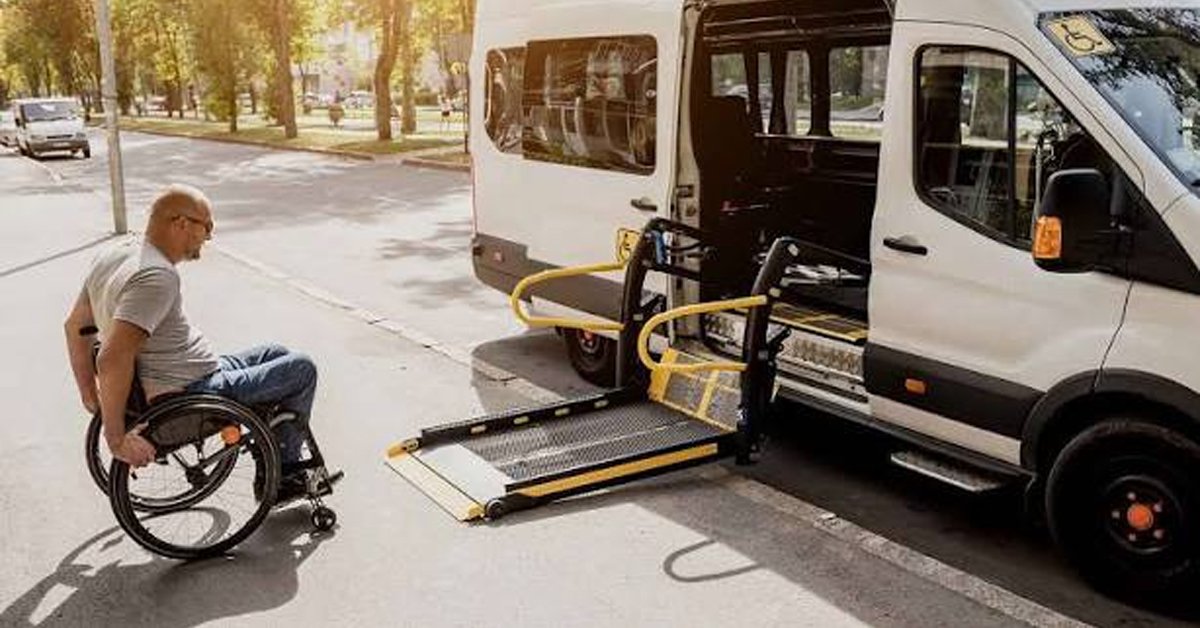
Different Wheelchair Transportation Methods and Which One Fits Your Needs
Different wheelchair travel methods suit different riders, routes, and support needs. The best choice depends on mobility, trip purpose, distance, and timing. Some services focus on medical visits, while others support daily travel. Riders should compare access, help levels, vehicle space, and payment options.
Dedicated Wheelchair Van Services
Wheelchair vans are among the most common options for accessible travel. These vehicles may use ramps, lifts, securement systems, and wider interiors. Accessible minivans often suit local trips and smaller mobility devices. Full-size vans may offer more room for larger chairs and attendants. Some providers also use accessible SUVs for selected passenger needs.
Private-pay van services can handle medical, personal, and social trips. Medicaid transport programs may also arrange approved wheelchair van rides. Coverage rules vary, so riders should verify benefits before booking.
Transfer-Capable and Wheelchair-Seated Travel
Some riders can transfer safely from wheelchairs into standard vehicle seats. Others need to remain seated in their wheelchairs during travel. Transfer ability can change vehicle choice, securement needs, and boarding support. Foldable wheelchairs may also fit different vehicles than larger power chairs.
Paratransit, Taxis, and Accessible Rideshare
Paratransit serves eligible riders who cannot use standard public transit. Trips usually follow local program rules, service areas, and booking windows. Accessible taxis can offer flexible local travel without owning adapted vehicles. Some rideshare programs also provide wheelchair-accessible vehicles in certain markets. Availability can vary widely by city, time, and vehicle supply.
These services can work well for independent riders needing simple access. However, riders should confirm securement, boarding help, and wheelchair space first.
Group, Shared, and Recurring Transportation
Group transportation can serve clinics, care centers, or shared medical routes. Accessible buses may carry several wheelchair users during planned group travel. Shared rides can reduce costs, but may include extra passenger stops. Riders with strict appointment times should ask about expected travel windows.
Recurring service can also support dialysis, therapy, and other regular appointments. Same-day rides may exist, but availability depends on provider capacity.
Curb-to-Curb, Door-to-Door, and Added Assistance
Curb-to-curb service usually begins near the scheduled vehicle pickup location. Door-to-door service adds help between the entrance and transport vehicle. Door-through-door assistance may include support beyond the building entrance itself. These terms describe assistance levels, not different vehicle categories alone.
Some riders may also travel with companions, attendants, or caregivers. Medical escorts or nurse attendants may support more complex passenger needs. Those services should be confirmed before booking because staffing can vary.
Bariatric and Pediatric Transportation Options
Bariatric passengers may need stronger lifts, wider access, and more space. Pediatric riders may need age-appropriate seating and careful caregiver planning. Both groups require accurate details before any vehicle gets assigned. Riders should share chair size, weight, and support needs early.
Wheelchair Vans Versus Stretcher or Ambulance Transport
Wheelchair vans serve riders who can travel safely while seated. Stretcher transport supports patients who must remain lying during travel. Ambulance transport may be needed when clinical monitoring becomes necessary. These services differ by positioning needs, equipment, and medical support.
Long-Distance and Special Trip Services
Long-distance transport supports riders traveling beyond normal local service areas. These trips may require added planning for stops and caregiver needs. Special events, family outings, and facility transfers may also need reservations. Riders should confirm waiting rules, return timing, and trip limits early.
How to Choose the Right Transportation Method
The right method should match the rider’s real mobility situation. Seniors may value easier boarding, shorter walking, and added driver help. Power wheelchair users may need more space and stronger lift capacity. Independent riders may prefer taxis, paratransit, or accessible rideshare options.
Before booking, riders should compare these four practical points:
- Confirm vehicle fit for wheelchair size, weight, and interior space needs.
- Ask which boarding method and passenger assistance the service provides.
- Confirm any medical support needed during the complete trip and return.
- Compare cost, coverage, timing, and return ride rules before booking.
A good choice balances access, support, timing, and total travel needs. That approach helps riders avoid unsuitable vehicles and unclear service expectations.
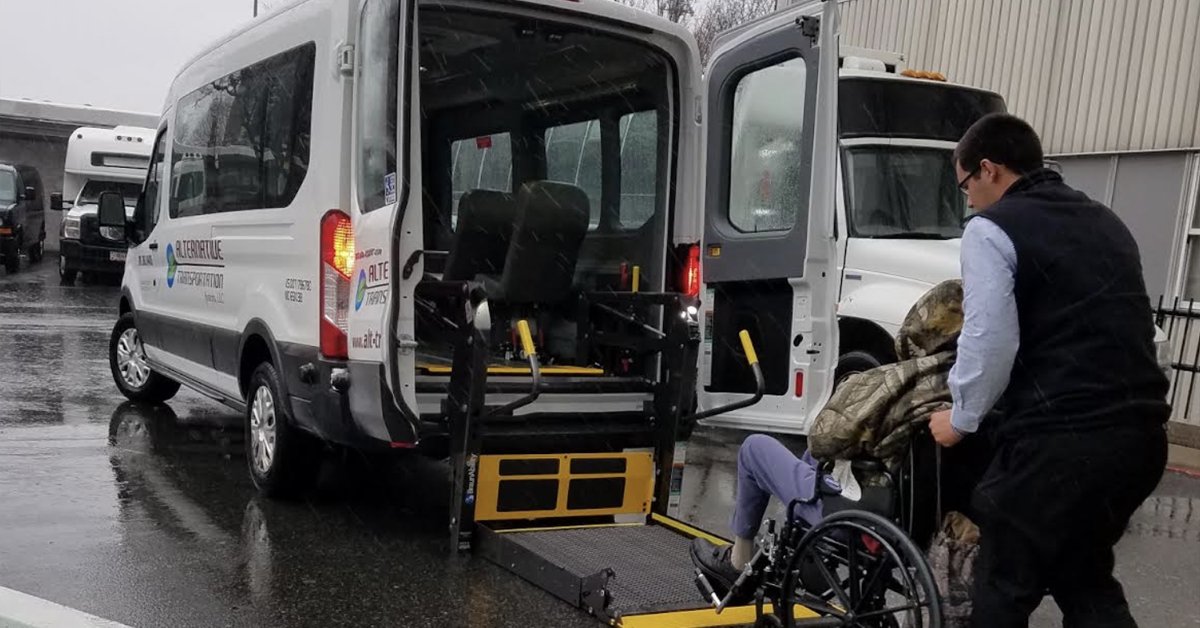
How Accessible Wheelchair Rides Support Medical Appointments
Medical visits can become harder when safe travel options are limited. Accessible rides help wheelchair users reach care without risky vehicle transfers. These trips may support routine visits, treatment, therapy, or discharge needs. The right service depends on mobility, timing, support, and medical needs.
What Non-Emergency Wheelchair Transport Means
Non-emergency wheelchair transport serves stable riders traveling for planned medical care. It differs from ambulance service because clinical care is usually unnecessary. Medicaid transportation helps eligible members reach covered health services when needed. Coverage rules, trip approval, and service methods can vary by state.
A wheelchair-accessible ride may use ramps, lifts, and securement equipment. Riders can often stay seated when the vehicle supports their chair. Some riders transfer into standard seats when that option works safely. Booking staff should know transfer ability before assigning the vehicle.
Medical Visits These Rides Can Support
Medical trips can include far more than routine doctor appointments. Riders may need transport for specialists, testing, therapy, or treatment centers. Dental and vision visits can also require accessible travel support. Outpatient care may create temporary limits after medication or minor procedures.
Common medical trips may include:
- Doctor visits, specialist appointments, and regular follow-up care after treatment.
- Physical therapy, rehabilitation sessions, and diagnostic testing for ongoing care.
- Infusion centers, dialysis visits, and other recurring treatment schedules each week.
- Dental care, vision visits, and planned outpatient procedures requiring accessible rides.
- Hospital discharge, nursing home transfers, and assisted living medical appointments.
Patients with chronic conditions may need the same route repeatedly. Post-surgery follow-ups can also require more help during early recovery. Recurring bookings may simplify planning when appointment schedules remain predictable.
What Happens When Scheduling Medical Transportation
Scheduling usually starts with the pickup address and appointment location. The provider may also request appointment time and return details. Riders should share wheelchair size, weight, and power features beforehand. Staff may also ask about ramps, stairs, escorts, or caregivers.
Hospital discharge trips can require more flexible pickup planning afterward. Release times sometimes change because paperwork and care steps take longer. Nursing homes and assisted living staff may arrange rides directly. Caregiver accompaniment should still be confirmed before the booking becomes final.
Door-to-door service may help riders between entrances and transport vehicles. Some providers offer more support, while others stop at curbside. Riders should confirm exact assistance instead of assuming every service matches.
Medicaid, Medicare, and Eligibility Basics
Medicaid transportation can help eligible beneficiaries access covered medical services. States may use different brokers, providers, approval rules, and ride methods. Riders should check their state program before scheduling covered transportation.
Original Medicare follows different rules for routine accessible medical rides. Part B may cover medically necessary non-emergency ambulance transportation in limited cases. A provider order may be required when ambulance transport is medically necessary. Medicare plan benefits should always be checked before arranging routine rides.
Wheelchair Transport Versus Ambulance Service
Wheelchair transport suits stable riders who can travel without clinical monitoring. Ambulance transport serves patients needing medical care or special monitoring. A wheelchair alone does not mean ambulance service becomes necessary. The rider’s health status should guide the level of transport.
If serious symptoms develop, scheduled transport may no longer be suitable. Emergency medical help should be used when immediate care becomes necessary.
What Riders Should Expect During Medical Trips
Pickup should begin with the vehicle matching the rider’s needs. Drivers may assist with boarding according to the booked service level. Wheelchairs should be secured before the vehicle begins moving forward. Caregivers should confirm seating and return plans before leaving the pickup.
Immunocompromised riders may also ask about vehicle cleaning procedures beforehand. Clear booking details can reduce delays and incorrect vehicle assignments. Good planning connects pickup, appointment arrival, and the return ride. That makes medical travel easier to manage across repeated care.
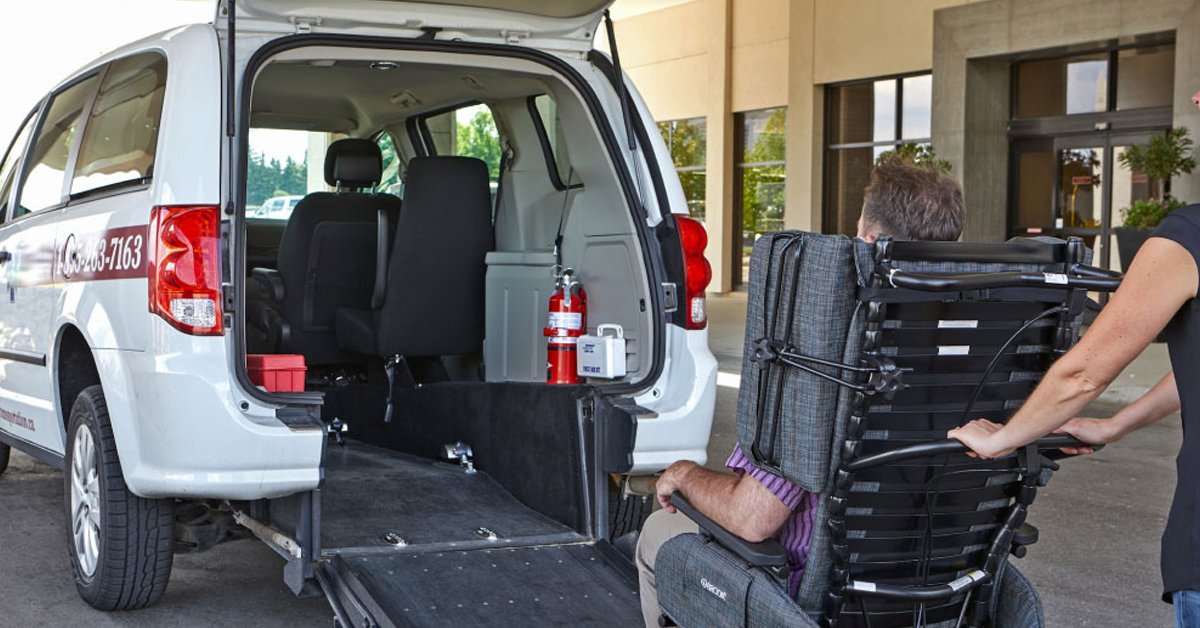
What Makes Wheelchair Travel Safe, Accessible, and Reliable?
Safe wheelchair travel starts before the vehicle begins moving anywhere. The rider, chair, vehicle, and boarding equipment must work together correctly. Good safety practices also depend on trained drivers and clear communication. Passengers should know what to check before trusting any transport provider.
Securement Protects Both the Wheelchair and Rider
Wheelchair securement and passenger restraint perform two different safety jobs. The first system keeps the wheelchair stable inside the moving vehicle. The second protects the rider with suitable lap and shoulder restraints. DOT guidance separates these two systems on covered accessible transit vehicles.
Some vehicles use manual tie-downs, while others use docking systems instead. Each system must match the wheelchair and vehicle setup being used. Power chairs, scooters, and bariatric chairs may require added space. Their weight and dimensions can also affect lift and securement capacity.
Passengers should check their chair position before the vehicle starts moving. Loose bags, footrests, or equipment can create problems during sudden movement. Caregivers can also confirm that needed items remain safely within reach. Passengers may ask whether securement equipment follows recognized transport safety standards.
Ramps and Lifts Need Safe Boarding Practices
Accessible boarding usually happens through a vehicle ramp or powered lift. Both options need enough space for safe entry and exit. Covered transit staff must assist passengers using ramps, lifts, and securement.
Private providers may follow different rules, so assistance should be confirmed. Riders should approach ramps slowly and follow the driver’s boarding directions. Platform lifts should remain stable before the wheelchair begins moving upward. Power wheelchair users should discuss chair controls before entering any lift.
Motorized scooters may need different positioning than standard manual wheelchairs. Passengers with added support needs should explain them before booking.
Vehicle Fit Matters More Than Appearance
An accessible vehicle must fit the passenger’s actual mobility equipment comfortably. Door width, interior space, floor layout, and clearance all matter. Larger chairs may need more turning room and stronger loading equipment. Bariatric riders should confirm vehicle and lift weight limits beforehand.
A vehicle can look accessible but still mismatch certain wheelchairs. That makes accurate chair details important during every booking process. Passengers should share chair size, weight, and any attached medical equipment. Those details help providers assign vehicles with suitable space and access.
ADA requirements apply differently across transit services and vehicle operations. Riders should verify which accessibility rules apply to their provider. Covered vehicle guidelines address wheelchair spaces, ramps, lifts, and securement systems.
Driver Training and Vehicle Condition Build Trust
Drivers should understand boarding equipment, securement procedures, and rider assistance. Covered transit rules also require staff training for accessible equipment use.
Passengers can ask how drivers receive wheelchair transport safety training. They can also ask how ramps, lifts, and vehicles get inspected. Reliable providers should explain safety steps without giving vague answers. Passengers may also ask about commercial insurance and liability coverage.
Smooth acceleration, braking, and turns can reduce sudden passenger movement. Clear answers help families compare providers beyond price and availability alone.
Weather, Night Travel, and Emergency Planning
Rain, snow, heat, or darkness can change boarding conditions quickly. Wet ramps may need added care during entry and exit. Night pickups also require clear lighting around boarding and vehicle areas. Passengers should mention difficult driveways, slopes, or narrow pickup spaces early.
Drivers should know the provider’s process for breakdowns and emergencies. However, accessible transport does not replace emergency medical care when needed. New serious symptoms may require emergency services instead of scheduled travel.
A Simple Safety Check Before Every Ride
Passengers and caregivers can review several points before vehicle departure:
- Confirm the wheelchair remains stable after every securement point is attached.
- Check that passenger restraints sit correctly without twisting or loose sections.
- Make sure ramps or lifts finish moving before boarding continues.
- Keep loose bags and equipment secured away from moving vehicle parts.
- Confirm the driver knows the planned destination and return arrangements.
Safe wheelchair travel depends on many small details working together. Accessibility means more than simply fitting a wheelchair inside the vehicle. It includes safe boarding, proper space, securement, restraint, and trained assistance. Riders who verify these details can choose services with greater confidence.

Comparing Wheelchair Transportation Options for Different Travel Needs
No single travel option works well for every wheelchair passenger. Cost, support, booking speed, and vehicle access can vary widely. Some riders need recurring medical trips with steady pickup times. Others need one-time rides for errands, events, or family visits.
The best choice depends on wheelchair fit, help level, and trip purpose. Riders should compare several options before booking their next accessible ride.
Wheelchair Vans, Rideshare, Taxis, and Public Transit Compared
Dedicated vans usually provide more space for wheelchairs and support equipment. Accessible rideshare may offer faster booking where suitable vehicles remain available. Standard taxis rarely fit passengers who must remain wheelchair-seated during travel. Accessible taxis can work better when proper ramps and securement are available.
Public transit can provide affordable travel across established local routes. Paratransit may help eligible riders unable to use regular transit safely. Both options may require planning and fixed service areas.
Travel Option | Best For | Main Advantage | Main Limitation |
Dedicated wheelchair van | Medical and regular trips | More space and planned assistance | Usually needs booking |
Accessible rideshare | Short local trips | App-based booking and flexible timing | Vehicle supply varies by location |
Accessible taxi | Local one-time rides | Simple point-to-point service | Vehicle size may vary |
Public transit | Independent daily travel | Lower trip costs | Routes may require transfers |
Paratransit | Eligible disabled riders | Accessible scheduled service | Booking rules can limit flexibility |
Shared wheelchair shuttle | Routine group travel | Lower cost for some riders | Extra stops can increase travel time |
Rideshare Versus Dedicated Wheelchair Service
Uber WAV and similar options can provide accessible vehicles in some markets. Lyft accessibility programs can also differ across cities and service areas. Riders should check vehicle availability before depending on app-based transportation.
Dedicated providers may offer more predictable wheelchair space and trained assistance. They can also handle recurring trips with planned pickup schedules. Rideshare can work better when speed and simple booking matter most.
Driver training may also differ between dedicated providers and rideshare networks. Riders needing securement help should confirm available assistance before booking.
Wheelchair Vans Versus Accessible Taxis
Wheelchair vans generally offer more interior room and equipment options. Accessible taxis may suit shorter trips with limited added support. Cost can depend on distance, waiting time, and service type.
An accessible minivan may fit many manual wheelchair users comfortably. Larger vans may work better for power or bariatric wheelchairs. Riders should compare chair dimensions before choosing either vehicle.
Private Versus Shared Transportation
Private rides usually travel directly between pickup and destination locations. Shared transportation may collect several riders along the same route. Shared rides can reduce some costs but increase total travel time.
Private service may suit patients with strict appointment arrival times. Shared shuttles can work well for clinics and recurring treatment routes. Riders should ask how added stops affect scheduled arrival times.
Medical, Stretcher, and Ambulance Options
Standard wheelchair service suits riders who can travel safely while seated. Stretcher transport supports passengers who must remain lying during travel. Ambulance service fits patients needing clinical care or medical monitoring.
These options should not be treated as interchangeable travel services. A wheelchair user does not automatically need ambulance transportation. Medical condition and support needs should guide the final choice.
Personal Cars, Family Drivers, and Volunteer Programs
Some riders can transfer safely into standard personal vehicle seats. Family members may help when wheelchairs fold easily for storage. Volunteer driver programs may also support selected community or medical trips.
These choices can reduce costs for passengers needing limited assistance. However, regular vehicles may not fit larger mobility equipment safely. They also may lack ramps, lifts, and wheelchair securement systems.
Recurring Trips Versus One-Time Transportation
Recurring rides need stronger scheduling and reliable pickup planning each week. Dialysis, therapy, and rehabilitation often involve repeated travel over time. One-time trips may allow more flexible transportation choices and booking methods.
Passengers should compare booking rules before choosing any regular service. On-demand options may suit occasional travel better than fixed schedules.
Medicaid Coverage Versus Private Payment
Some eligible medical trips may receive transportation coverage through Medicaid programs. State rules, service methods, and approval steps can differ greatly. Private-pay rides give passengers more choice but create direct costs.
Riders should confirm coverage before assuming any trip receives payment support. They should also compare cancellation fees, waiting charges, and return policies.
Which Option Should You Choose?
The right option should match mobility needs and travel conditions. Compare wheelchair size, assistance, trip timing, and expected travel distance. Medical needs should also guide whether standard or skilled transport fits.
For most riders, these questions make the choice much clearer:
- Does the rider remain seated inside the wheelchair during travel?
- Is door-to-door help needed before entering the transport vehicle?
- Will the trip happen once or repeat each week?
- Does insurance cover transportation, or will payment be private?
- Is clinical support required during the complete travel period?
A good choice balances access, reliability, support, timing, and cost. Comparing those factors helps riders avoid unsuitable or stressful travel options.
FAQs
What types of wheelchair transportation services are available?
Common options include private vans, NEMT rides, paratransit, accessible taxis, and buses. Some riders may also use rideshare vehicles or long-distance transport services.
How do I choose the right wheelchair transport service?
Start with wheelchair size, transfer ability, trip distance, and needed assistance. Then compare vehicle access, driver support, booking rules, and total trip costs.
Can passengers stay in their wheelchair during the ride?
Many accessible vehicles allow passengers to remain seated during the entire trip. The chair must fit correctly and use approved securement and restraint systems.
What is the difference between curb-to-curb and door-to-door service?
Curb-to-curb service usually begins near the scheduled vehicle pickup location. Door-to-door service adds assistance between the building entrance and transport vehicle.
How are wheelchairs secured inside accessible transport vehicles?
Vehicles may use tie-down straps, docking systems, or other securement equipment. Passenger restraints work separately to protect the rider during vehicle movement.